
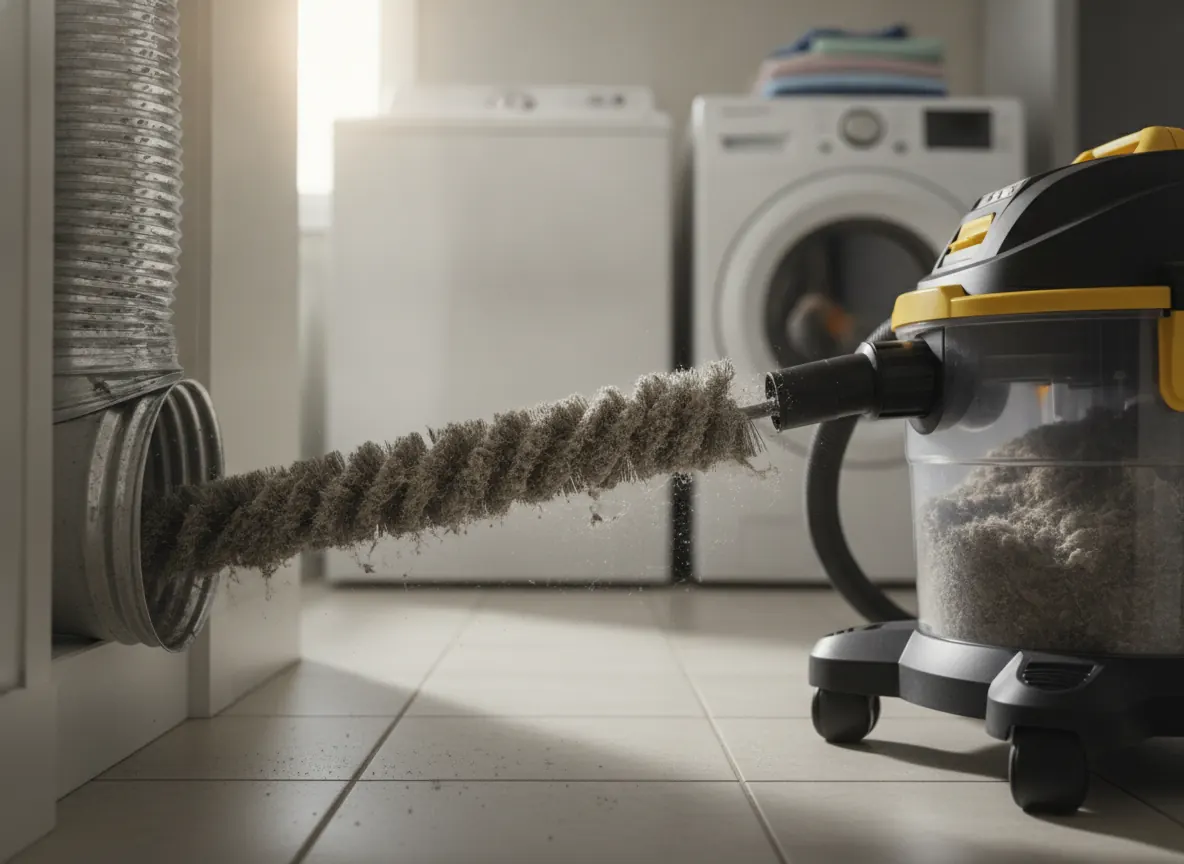
Dryer Vent Cleaning
Brushing and vacuuming the full run from the dryer to the outside hood, with before-and-after airflow readings.
Learn moreWe connect Birmingham-area homeowners with independent local dryer vent cleaning companies for free, no-obligation quotes.
Three short steps. You stay in control the whole way.
Fill out the short form with your ZIP, which floor the dryer is on, and where the vent exits: a wall, a second story or the roof.
An independent dryer vent cleaning company that works your part of the metro contacts you to talk through the job and give you a quote.
Ask questions, get the price in writing and book only if it suits you. There's no charge for using this service.
Want the details? Read how the process works, from the quote to the final airflow test, or request your free quote now.
From a routine cleaning to a full reroute, describe the problem and a local company can price it.
Brushing and vacuuming the full run from the dryer to the outside hood, with before-and-after airflow readings.
Learn more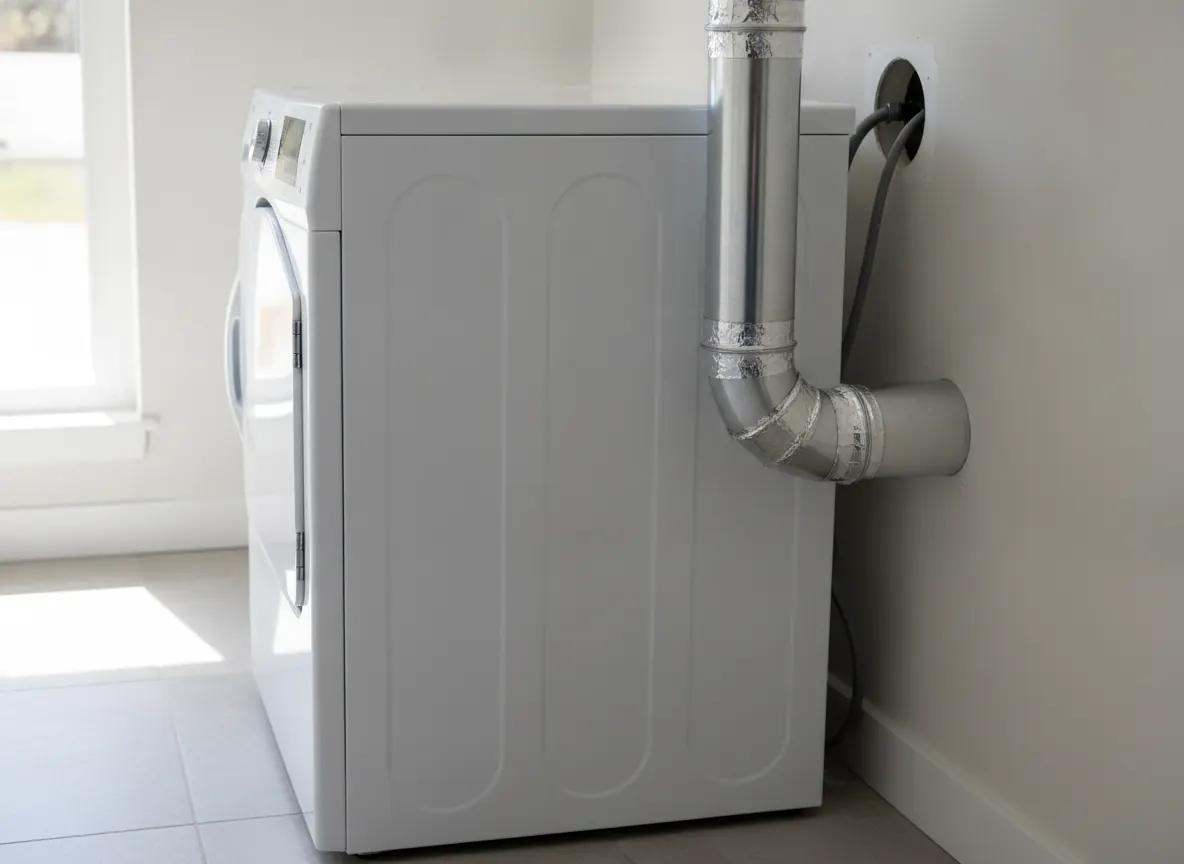
Crushed transition ducts, foil or vinyl hose, disconnected joints and runs that are too long for the code.
Learn more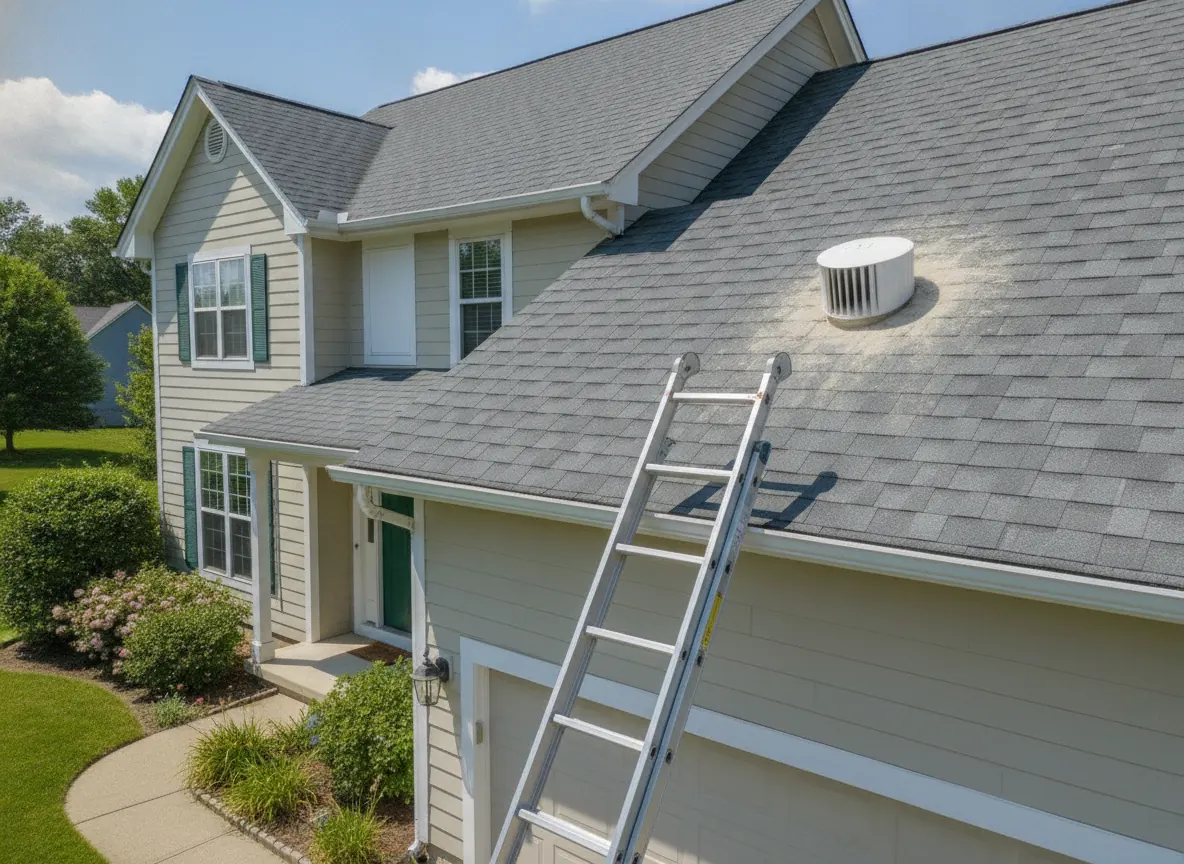
Upstairs laundry rooms and roof caps that need ladders, roof access and a longer brush run.
Learn more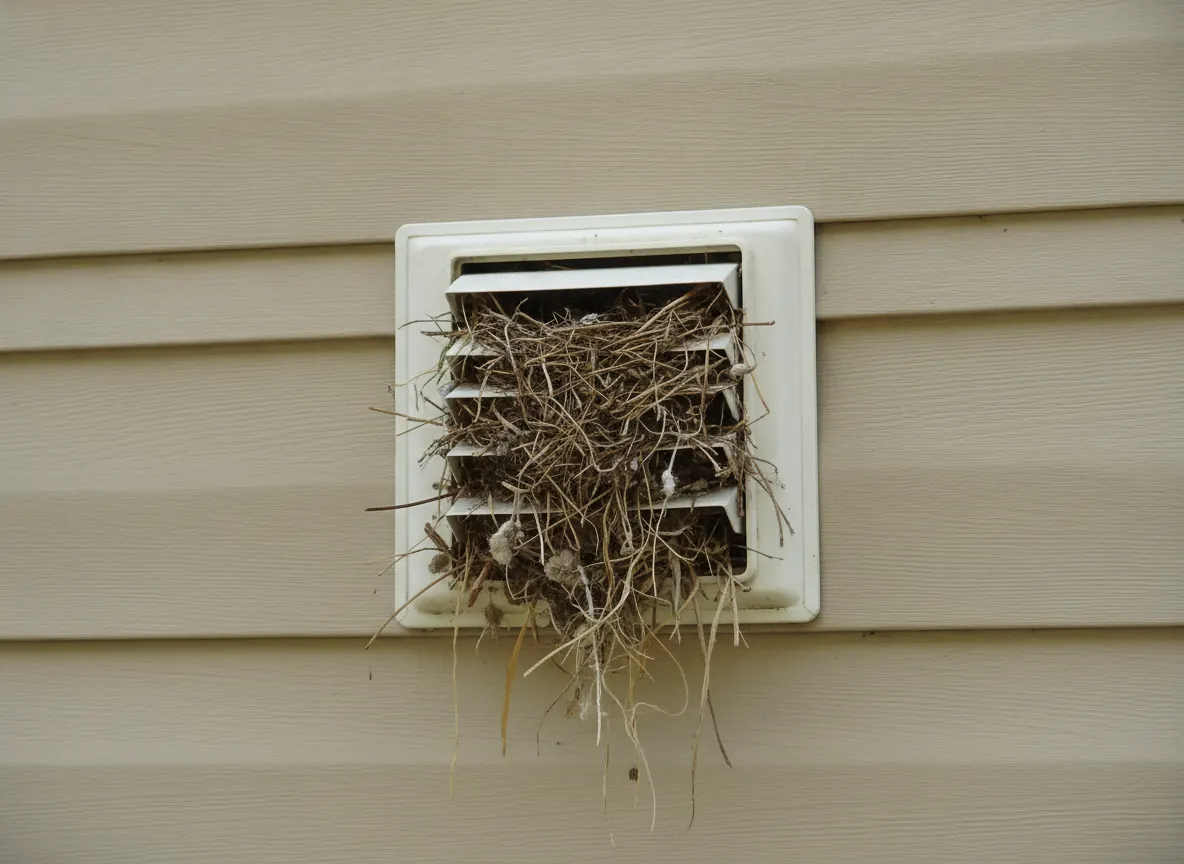
Clearing nests and debris, identifying the species first, then restoring a working damper cap.
Learn more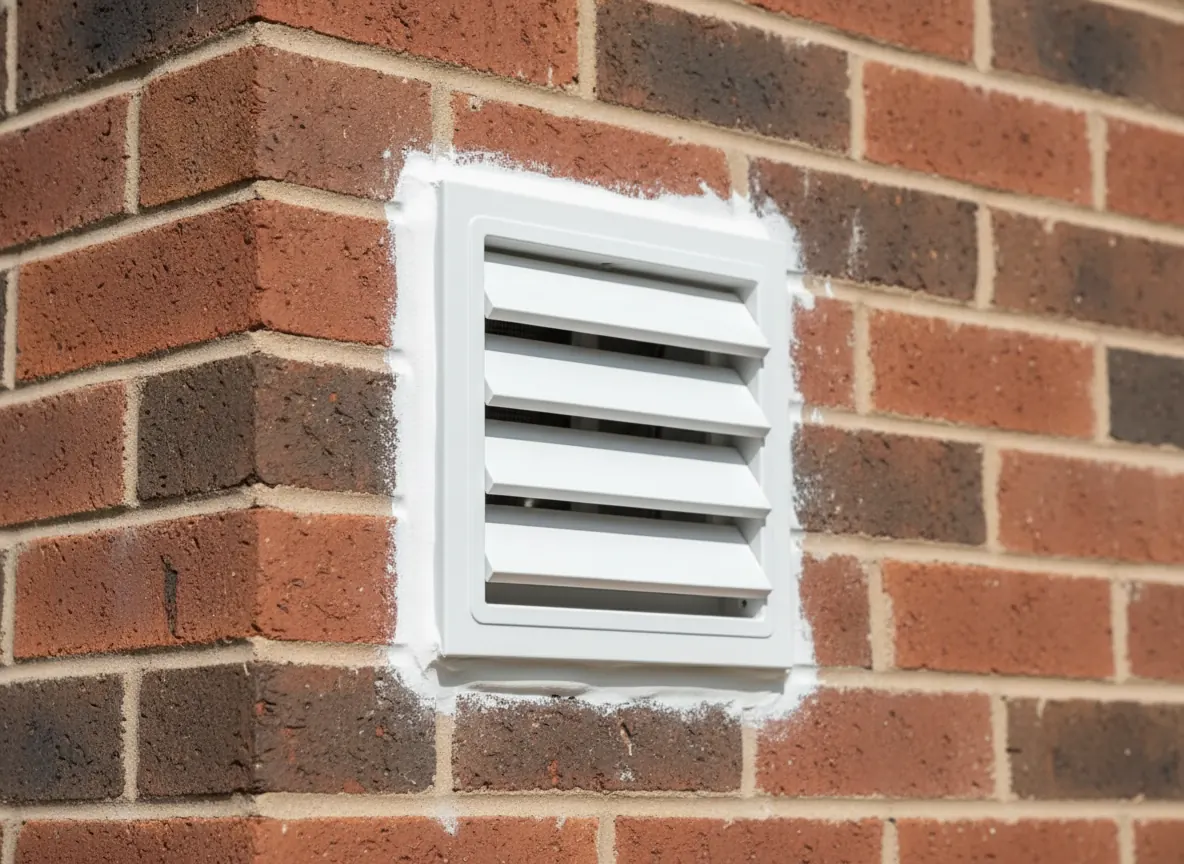
Broken flaps, stuck louvers and painted-shut hoods on brick, siding and roof terminations.
Learn more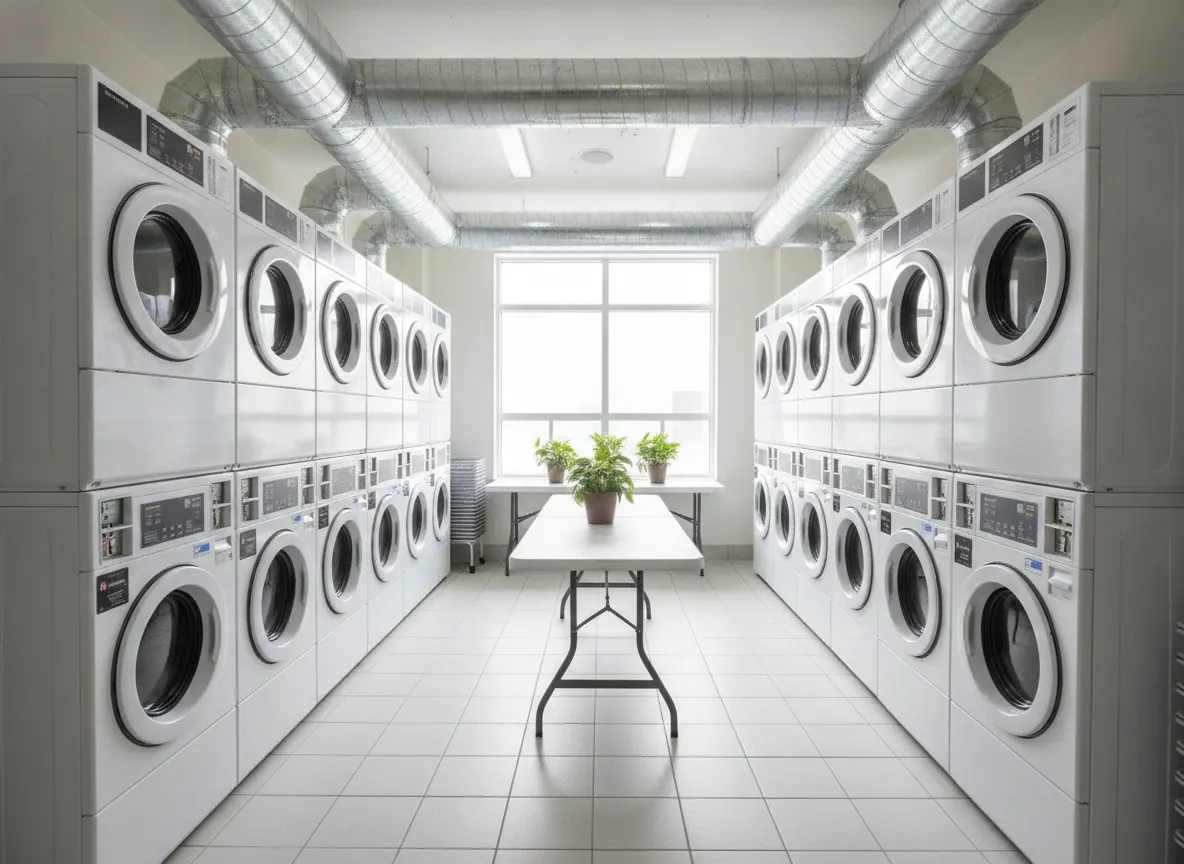
Multi-unit buildings, shared laundry rooms and property managers who need many vents cleaned at once.
Learn more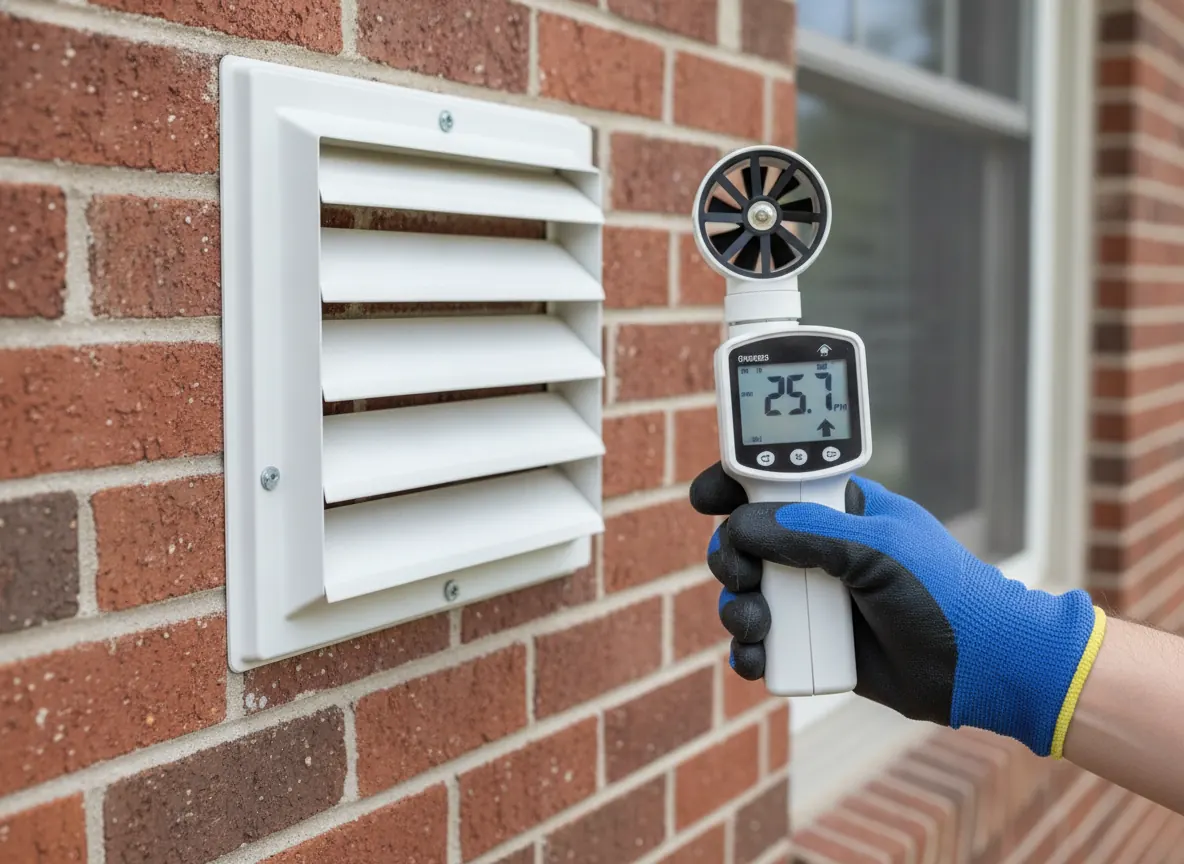
Most clogged vents announce themselves slowly. The U.S. Consumer Product Safety Commission (CPSC) notes that damp clothes at the end of a normal cycle, or longer-than-normal drying times, can mean the lint screen or exhaust duct is blocked. Watch for:
The CPSC also suggests checking the outside vent while the dryer is running to make sure exhaust air is escaping. If it isn't, it's time for a cleaning. See the full list of clog signs.
Two national sources, two different scopes. Here's what each one actually reports.
The USFA estimated 2,900 clothes dryer fires in residential buildings are reported to U.S. fire departments each year, causing an estimated 5 deaths, 100 injuries and $35 million in property loss. Failure to clean (34 percent) was the leading factor contributing to ignition. Fires were more common in fall and winter, peaking in January.
NFPA's "Home Dryer Fires" report (June 2020) found fire departments responded to an estimated average of 13,820 home structure fires per year in which dryers were involved in ignition. One-third (32 percent) were caused by a failure to clean, mainly lint build-up. NFPA's larger count covers a broader set of fires than the USFA residential-building figure.
Closer to home, ABC 33/40 reported in August 2017 on two recent fires in Hoover: one at a home where a dryer caused the fire, and a second where, according to Hoover fire spokesperson Rusty Lowe, a squirrel crawled through an outside vent, died and ignited a fire. The practical takeaway is simple: clean the lint filter every load and keep the vent run clear. More numbers in our dryer fire statistics guide.
The International Residential Code, which Alabama has adopted with amendments, sets out how a dryer exhaust should be built. The essentials:
For a new vent route through a wall or the roof, check with your city's permit office. The 35-foot rule explained walks through elbow deductions step by step.
Birmingham's housing is older than much of the metro. Census data (ACS 2024 5-year) puts the city's median year built at 1965, with about 71.6% of homes built before 1980. Laundry rooms in many of those houses were added or moved over the decades, which often means vents that were retrofitted, lengthened or routed through tight spaces.
The city is also renter-majority: 54.5% of occupied homes are renter-occupied, and 39.2% of housing units are in buildings with two or more units. Around UAB, Alabama's largest single-site employer, and across neighborhoods full of apartments and duplexes, many dryers share a building with other units. If you rent, talk to your landlord or property manager; for buildings with many vents, see apartment and commercial dryer vent cleaning.
Prices depend on vent length, which floor the dryer is on and how hard the outlet is to reach. Typical national ranges and a quick estimator are in the dryer vent cleaning cost guide.
Free quotes in Birmingham and these nearby cities. See all service areas.
Quick answers here; more on the full FAQ page.
National estimates put a typical dryer vent cleaning at about $104–$188, with HomeAdvisor's average near $145. First-floor wall vents sit at the low end, while second-floor and roof vents cost more because of ladders and access. These are estimates, not quotes. See the cost guide for the full price table and a calculator.
NFPA and GE say at least once a year. Some manufacturers, including Whirlpool and Maytag, say every one to two years. Long runs, roof or second-floor vents, big households and homes with pets tend to clog faster, so clean sooner if drying times start creeping up or clothes come out damp.
No. We connect Birmingham-area homeowners with independent local dryer vent cleaning companies for free, no-obligation quotes. You tell us about your vent, a local company follows up, and you decide whether to book. There's no cost to you for using the quote service, and you're never obligated to hire anyone.
The CPSC says clothes that are still damp after a normal cycle, or drying that takes longer than usual, may mean the lint screen or exhaust duct is blocked. Other clues: little or no air at the outside hood while the dryer runs, a flap that won't open, lint around the exterior vent, or a "Check Vent" alert.
Under Alabama's Home Builders Licensure Board law, a license applies to residential repair and improvement jobs over $10,000, or over $2,500 for residential roofing. Typical dryer vent jobs cost far less. Ask any company for its city business license, proof of liability insurance and a written quote. This is general information, not legal advice.
No. The International Residential Code says screens shall not be installed at the duct termination, because screens catch lint and choke airflow. The code calls for a backdraft damper instead. To keep birds and pests out, the code-friendly approach is a working damper cap plus regular cleaning, so nothing gets a chance to settle in.
Free, no-pressure quotes across Birmingham, Hoover, Vestavia Hills, Homewood and nearby.