
Roof & Second-Story Dryer Vent Cleaning in Birmingham, AL
Long, vertical vent runs and roof caps clog faster than a short wall vent and are harder to reach. Compare free, no-obligation quotes from independent local companies that handle roof and upstairs vents.
Get a Free Quote Call (727) 300-6656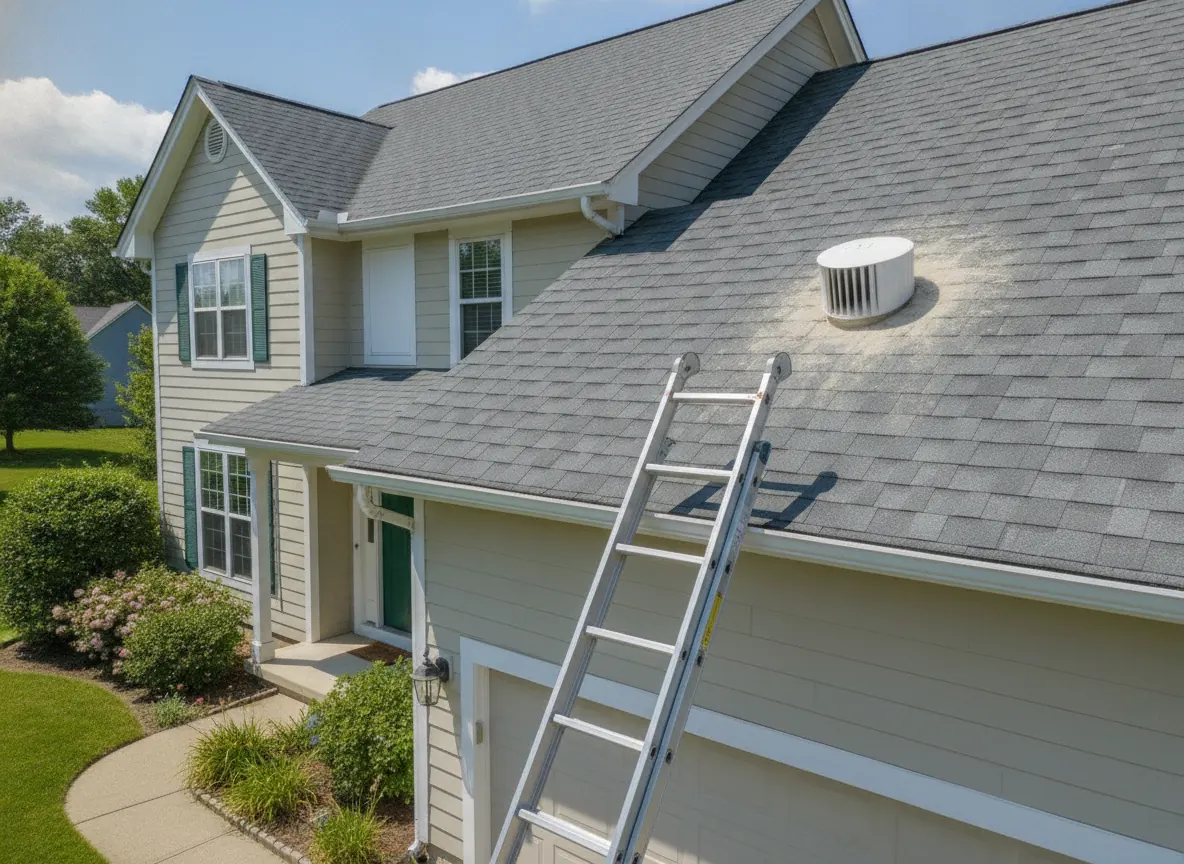
Why roof and second-story vents are different
In a one-story house with the laundry on an outside wall, a dryer vent may be only a few feet long. Put the laundry room on the second floor, or in the middle of the house, and the vent often has to climb through an attic and exit through the roof. That longer, more vertical path is harder on airflow and harder to clean.
Two-story homes are common across the metro. In the East South Central region (Alabama, Kentucky, Mississippi and Tennessee), about 4 in 10 new single-family homes built in recent years have two or more stories, according to NAHB’s analysis of Census construction data. That figure covers new construction, not existing homes, but it shows that two-story homes are a large part of the regional mix.
We connect Birmingham-area homeowners with independent local dryer vent cleaning companies for free, no-obligation quotes on roof and second-story vent cleaning.
Why long and vertical runs clog faster
- Length. Every extra foot of duct gives lint more surface to settle on. The International Residential Code, which Alabama has adopted with amendments, caps the exhaust duct at 35 feet, reduced for each elbow, unless the dryer manufacturer’s instructions allow otherwise. Roof runs are often close to that limit.
- Gravity. On a vertical run, the dryer’s blower has to push damp air and lint upward. As airflow weakens, heavier lint drops back and builds up at the bottom elbow or along the duct.
- More elbows. Getting from a laundry room to the roof usually takes several turns. A tight mitered 90° elbow counts as 5 feet of the 35-foot limit.
- The roof cap. Lint that does make it out can catch on the cap’s damper and collect on the shingles around it. A stuck flap, or a cap with a screen, can block the outlet entirely.
- Hidden problems. Joints in an attic can separate or sag over time, and a disconnected section can dump lint into the attic instead of outside.
Because problems build up out of sight, slow drying is often the first clue. NFPA, GE and other sources recommend cleaning at least once a year, and long or roof runs are good candidates for staying on that schedule. Our article on roof and second-floor dryer vents in Birmingham homes covers more.
How roof vent cleaning usually works
Locate both ends
A technician will typically find the dryer connection inside and the vent cap on the roof, and check whether the cap is a dryer cap or a different roof vent.
Measure airflow
Many companies take a starting reading so they can compare it after cleaning.
Clean from the inside, the roof, or both
Rotary brushes on flexible rods can often reach a roof outlet from the laundry room. When the run is long or packed, the technician may also work from the roof cap down.
Clear and check the cap
The damper is cleared of lint and checked to make sure it opens with airflow and closes when the dryer stops.
Retest
The dryer is reconnected and run again for a final airflow check.
Roof cap access and safety
Roof access is the biggest variable on these jobs. Steep pitches, tall two-story eaves, wet or mossy shingles and caps placed far up the slope all take more time and equipment. That’s a big reason roof vents cost more than wall vents.
For most homeowners, roof vents are a job to leave to a company with the right ladders and fall-protection gear. When you compare quotes, it’s reasonable to ask:
- Will the vent be cleaned from inside, from the roof, or both?
- Will someone walk the roof, and what safety equipment do they use?
- Does the price include clearing and checking the roof cap?
- Does the company carry liability insurance that covers work on roofs? Ask for proof.
- Can you get a written quote, and do they hold a city business license?
If the cap is cracked, missing its damper or fitted with a screen, it may need replacing; see dryer vent cover replacement. The IRC calls for a backdraft damper at the termination and says screens shall not be installed there. If a reroute to a side wall is possible, or the attic duct needs work, see dryer vent repair and replacement. For any new vent route through the roof, check with your city’s permit office.
Roof caps also attract nesting birds. If you hear chirping or scratching in the duct, read bird nest removal from dryer vents before anyone clears it.
Typical cost
Typical national ranges from HomeAdvisor (2026), Fixr (2025) and Bob Vila (2024) — estimates, not quotes.
| Item | Typical range |
|---|---|
| Second-floor vent | $110–$200 |
| Roof vent | $150–$300 |
| Inspection / airflow check | $30–$60 |
| Bird nest or pest removal | $120–$400 |
The real price depends on vent length, number of stories, roof access and the condition of the duct and cap. See the full dryer vent cleaning cost guide, or get a free quote for your home. Mention that the vent goes through the roof so companies can price it accurately.
Frequently asked questions
Can a dryer vent go through the roof?
Yes, many second-floor and interior laundry rooms vent through the roof. The International Residential Code requires the duct to end outside the building with a backdraft damper and no screen, and limits the run to 35 feet minus an allowance for elbows unless the dryer manufacturer allows more. For a new route through the roof, check with your city's permit office.
Why does my roof dryer vent keep clogging?
Roof runs tend to be longer, have more elbows and push air uphill, so lint has more chances to settle and fall back. The roof cap's damper can also catch lint or stick shut, and birds sometimes nest in it. A cleaning plus an airflow test and camera check can show whether the run itself needs repair.
Can a roof dryer vent be cleaned from inside?
Often, yes. Technicians can usually feed rotary brushes on flexible rods from the laundry room up toward the roof outlet. Long, packed or blocked runs may also need work from the roof end, and the cap itself is easier to clear and inspect from outside. Ask how the company plans to reach both ends.
How much does roof dryer vent cleaning cost?
Typical national ranges put roof vent cleaning at about $150 to $300, and second-floor vents at about $110 to $200, per HomeAdvisor, Fixr and Bob Vila. These are estimates, not quotes. Your price depends on the length of the run, roof pitch and height, cap condition and whether there is a nest or damage.
How often should a second-story dryer vent be cleaned?
NFPA and GE recommend at least once a year, and some manufacturers say every one to two years. Second-floor and roof runs are usually longer and more vertical, which tends to clog faster, so yearly cleaning is a sensible plan for most homes. Clean sooner if drying times start to stretch.
Clothes taking forever to dry? Get your vent checked.
Free, no-pressure quotes across Birmingham, Hoover, Vestavia Hills, Homewood and nearby.